
India
Why NTA’s Structure Is Being Compared to UPSC and SSC After NEET Leak
May 18, 2026 Source: Veridhar



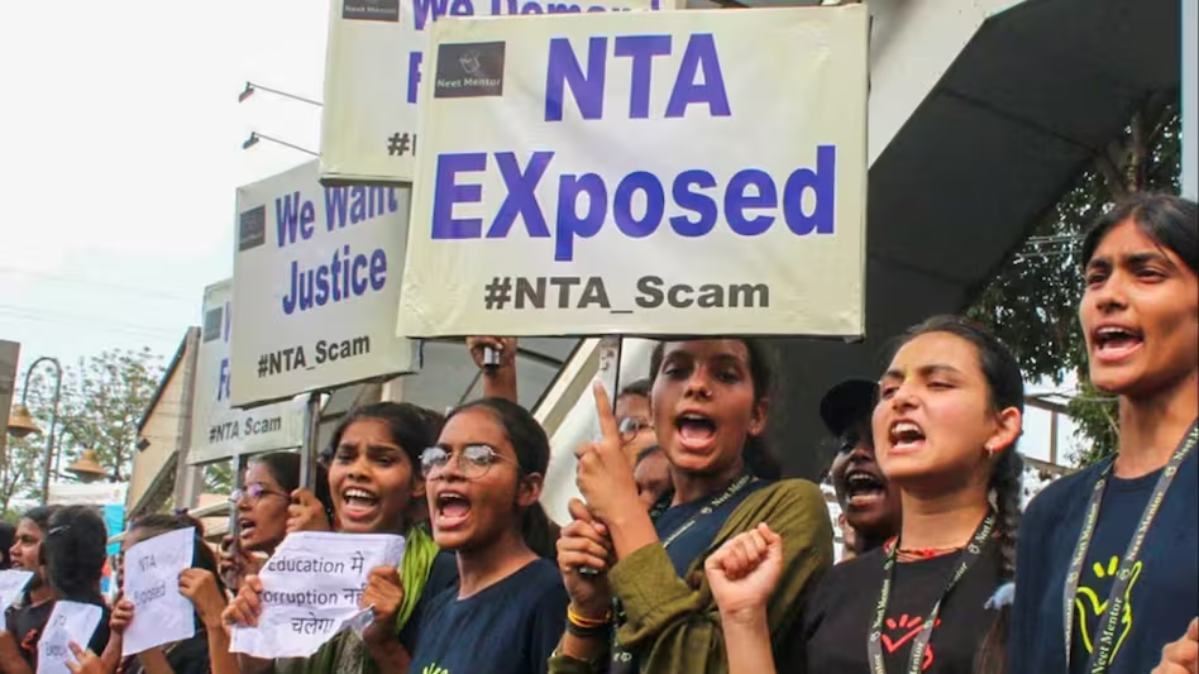
The controversy surrounding the alleged NEET 2026 paper leak has sparked a nationwide debate over the credibility and structure of the National Testing Agency (NTA), the body responsible for conducting some of India’s biggest entrance examinations. What has shocked many people even more is the revelation that the NTA was reportedly registered under the Societies Act with a fee of just 50 rupees, raising concerns about how such a powerful examination agency was formed and operated.
The NTA conducts major national-level exams including NEET, JEE, CUET, and several recruitment and scholarship tests that affect the future of millions of students every year. However, unlike institutions such as the UPSC and SSC, the NTA is neither a constitutional body nor a fully autonomous statutory institution. According to reports and government documents, it was created under a temporary “society model,” which critics argue lacks a strong legal and administrative framework.
Following the NEET paper leak allegations, serious questions are being asked about the agency’s accountability and transparency. Education experts and critics claim that because the NTA does not have the same constitutional protection or legal strength as bodies like the UPSC, its functioning becomes more vulnerable to mismanagement, outsourcing issues, and security failures. Many are now questioning whether such sensitive examinations should be handled by an organization with comparatively weak institutional safeguards.
The issue has now reached the Supreme Court as well. A petition has reportedly been filed demanding that the NTA be converted into a constitutional or statutory body to improve accountability and public trust. Petitioners argue that stronger legal status would ensure better monitoring, stricter examination protocols, and greater transparency in the conduct of national-level exams.
Reports also mention that the National Testing Service project originated under the Central Institute of Indian Languages in Mysore during 2006–07. Over time, the NTA expanded into the country’s largest examination agency. However, critics believe its rapid growth was not matched with equally strong governance structures and clearly defined operational bylaws.
Academicians and education analysts say the current system allows highly confidential tasks such as question paper management, exam logistics, and technical operations to be handled through outsourced or loosely supervised arrangements. This, they warn, increases the risk of leaks, hacking, and procedural failures.
The NEET paper leak controversy has therefore become more than just an examination scandal. It has opened a broader national conversation about the reliability, governance, and future structure of India’s testing system, with many demanding urgent reforms to restore students’ confidence.